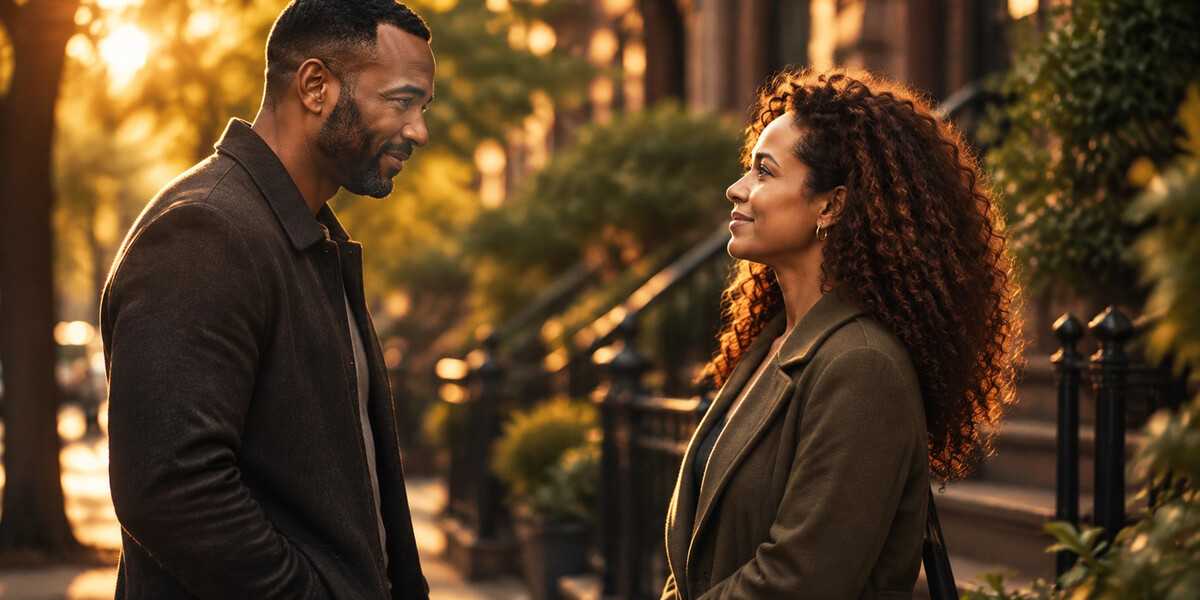
Some goodbyes happen in a single sentence. Others take years, a hundred unsent messages, and the slow realization that the person you loved is still part of your story.
That’s why second chance romance novels move me. They begin with history already between two people: the tenderness, the hurt, the things they never quite managed to say. But a reunion isn’t a rewind. If love is going to return, both people have to face what happened and decide what they’re willing to do differently.
As a romance novelist writing a four-book series, I’m drawn to the part of love that comes after the first rush. My signature message is “Finding love is only the beginning.” For me, the real story begins when people have to live with their choices.
What makes second chance romance novels feel earned?
The past has to matter. Maybe two people misunderstand each other, make a painful choice, or simply grow apart. Whatever separated them, it shouldn’t disappear just because they’re drawn together again. Readers need to feel the old hurt and understand why trust might take time.
Then there’s the growth that happens in between. Time apart can change someone, but it doesn’t automatically make them wiser or kinder. A meaningful reunion asks what each person has learned, what they still need to own, and whether their actions have changed enough to make a new beginning possible.
And there’s the question that gives the trope its ache: were these two people truly meant to find their way back, or are they holding on to what they remember? In soulmate romance novels, that pull can feel almost mystical. But a powerful connection doesn’t erase real choices or guarantee a happy ending. The characters still have to decide what love asks of them now.
What to look for in a good second chance romance
When I pick up a story about former lovers, I want to believe in the possibility of their reunion, even when I’m not sure it’s the right choice. These are the things that help me believe:
• A believable reason they separated. The past should feel specific, not like a flimsy obstacle added to keep the couple apart.
• Real change, shown through actions. Apologies matter, but changed behavior matters more.
• Trust that has to be rebuilt. Forgiveness can be part of a story without being automatic or owed.
• A pull between memory and reality. The characters need to meet the people they are now, not only long for who they used to be.
• Consequences that stay present. Choosing love again doesn’t mean pretending nothing happened.
That last point matters to me. Faith and spiritual questions can live in a love story without making the characters perfect or turning the story into a lesson. People can know what they believe and still struggle to live by it. That tension feels familiar to me because real life is full of good intentions, imperfect decisions, and consequences we have to face.
Why Black romance novels and series offer room to grow
Black romance novels hold space for love stories with many kinds of people, families, histories, and hopes at the center. I value that range. Readers looking for romance novels for Black women deserve stories that let Black characters be complicated and romantic, funny and vulnerable, strong and uncertain, all at once.
Series offer another kind of possibility. A standalone romance often brings us to a satisfying ending, but readers who love romance series books can stay close to a world for longer. The relationship might reach a new stage; characters we’ve met may grow into stories of their own. Love doesn’t stop at the grand gesture or the final page.
That’s the kind of journey I’m building with A Taste & Touch. I’m currently writing the second of four novels. I won’t pretend I can tell you what every turn will look like, but I know I’m interested in what happens after people make a choice: what it changes, what it costs, and what they do with the chance that comes next.
Books to start with
If you’re looking for romance novels about real life, unresolved history, and the possibility of a new beginning, here are three books to consider. Each brings its own voice and approach to love.
• Before I Let Go by Kennedy Ryan follows divorced co-parents Yasmen and Josiah as they navigate life after the end of their marriage.
• Seven Days in June by Tia Williams brings former teenage lovers Eva and Shane together again years later in Brooklyn.
• Where We End & Begin by Jane Igharo follows Dunni and Obinna, former high-school sweethearts who reunite at a Nigerian wedding.
These are also good places to start if you’re drawn to books with romance and mystery in the emotional sense: stories where the characters have to uncover what their past means before they can decide what comes next. Every second-chance story asks its own question about regret, forgiveness, and whether love can be built again.
A love story that keeps unfolding
In my first novel, Where the Heart of a Woman Lies, Ivory and Dee have a passionate, complicated, on-again, off-again relationship. A mystical search for a soulmate and true love is woven through their story, while the intriguing Tia Suzette helps unveil what lies beneath it. Unexpected twists keep the path from feeling simple.
The characters encounter spiritual questions and Christian principles, but they don’t always follow them. They make choices, feel the consequences, and have to face the complicated people they are. That’s part of the honesty I want in romance: love can be powerful without making anyone flawless.
For me, a second chance isn’t proof that everything will work out. It’s a chance to look clearly at what happened, to ask what has changed, and to choose with open eyes. That’s what I mean when I say, “Finding love is only the beginning.” Beyond the Boundaries of Ordinary Romance is where I want to keep exploring what follows.
If you’d like to meet Ivory, Dee, and Tia Suzette, Where the Heart of a Woman Lies is available as paperback for $15.00 audiobook on Audible, and in Kindle format.
https://a.co/d/09RbfZLg